I N P R A C T I C E
Where insight becomes action.
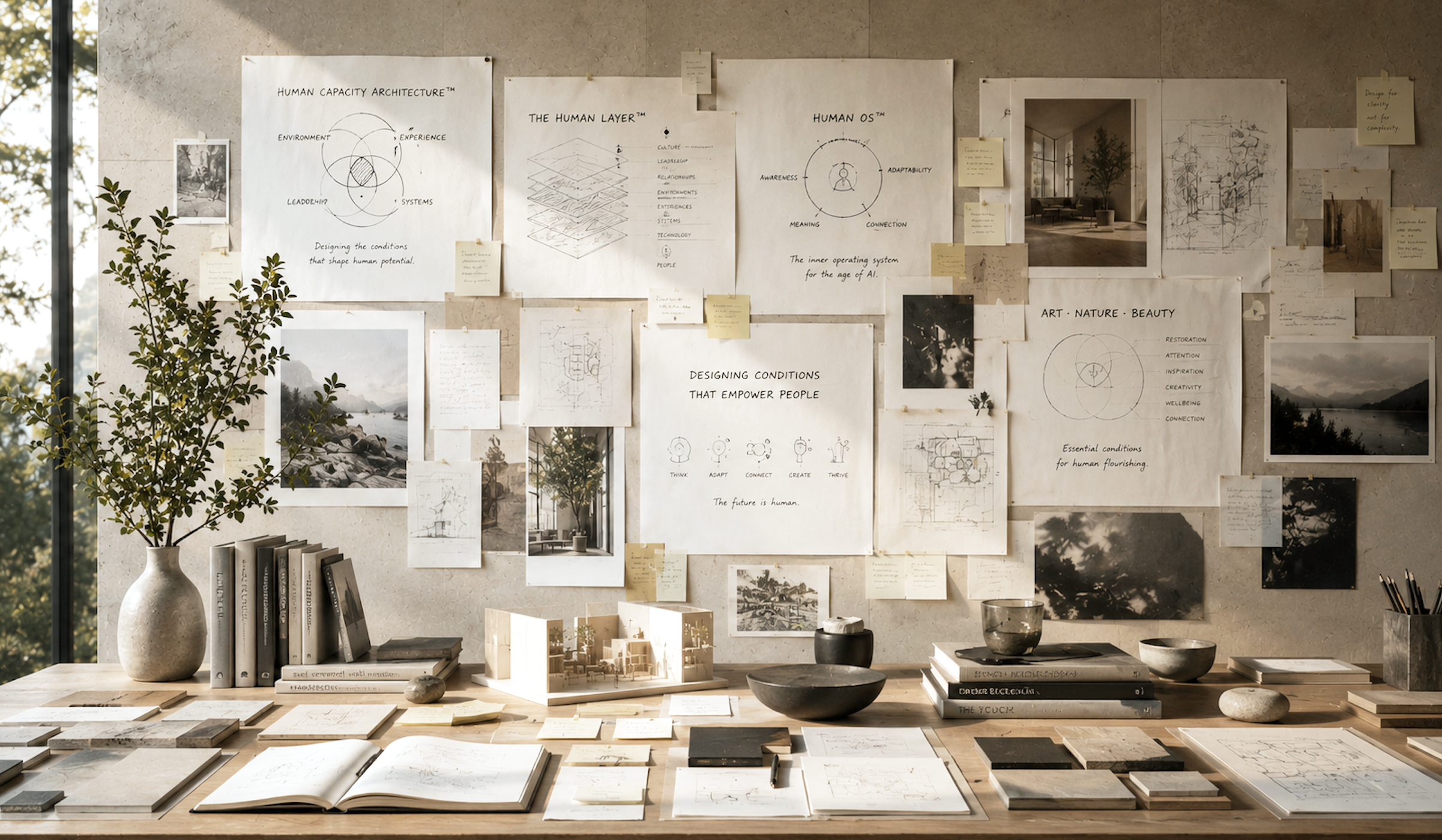
Human Capacity Architecture™ has evolved through more than two decades of interdisciplinary work across organizations, leadership, education, architecture and the built environment.
Different contexts revealed the same fundamental truth:
People become what surrounds them.
The conditions surrounding people influence how they think, decide, trust, learn, adapt, connect and perform - and ultimately shape what organizations become.
The work below represents selected engagements, research and practice that have informed Human Capacity Architecture™ and its organizational application, the Human Layer™.
AI & The Human Layer™
EXECUTIVE INQUIRY
How can organizations help people adapt and flourish as AI transforms work?
Through conversations with founders, executives, innovators and leadership teams, a consistent challenge became visible: technological capability was advancing faster than the human and organizational conditions required to use it well.
The greatest obstacles were not purely technological. They included increasing complexity, fragmented attention, decision fatigue, uncertainty and uneven readiness for change.
This inquiry helped shape the Human Layer™ as a way for leaders to align the Ethos, Environments and Experiences surrounding transformation.
THE EXECUTIVE INSIGHT
AI changes what organizations can do. The Human Layer™ shapes what people and organizations become capable of doing with it.
Leadership, Learning & Belonging
South High Community School
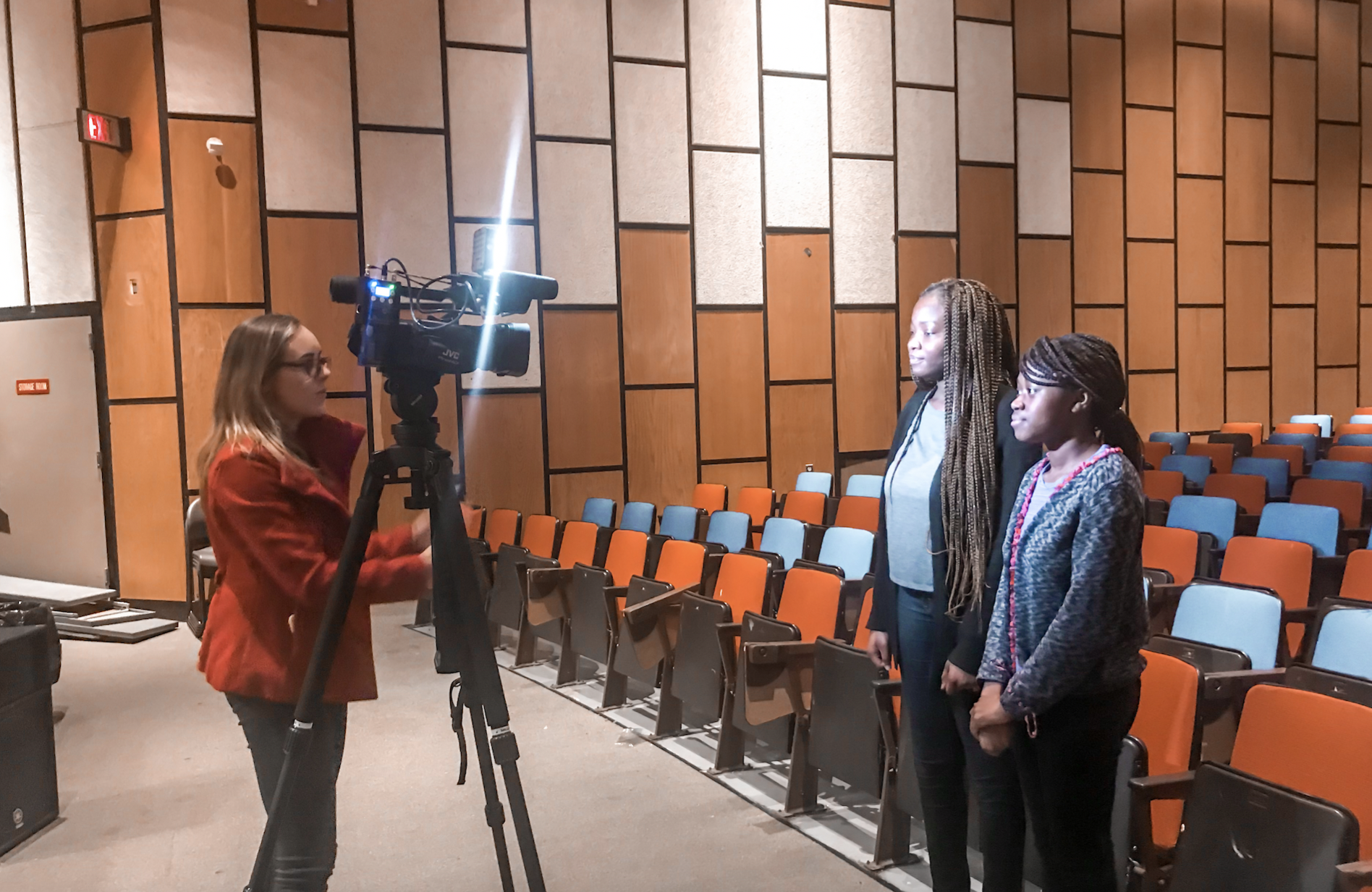
How might an environment help people feel seen, valued, connected and empowered?
This work explored how participation, environment and shared ownership could strengthen belonging within a diverse learning community.
It revealed that belonging is not simply a cultural aspiration. It is shaped by the conditions people experience: whether they are heard, how they participate and whether they can see themselves reflected in the environments and institutions surrounding them.
THE LEADERSHIP INSIGHT
When belonging is designed into the experience, trust, participation and possibility expand performance.
ART · NATURE · BEAUTY™
INTERDISCIPLINARY RESEARCH & DESIGN PRACTICE
How do environments influence what people are able to feel, contribute and become?
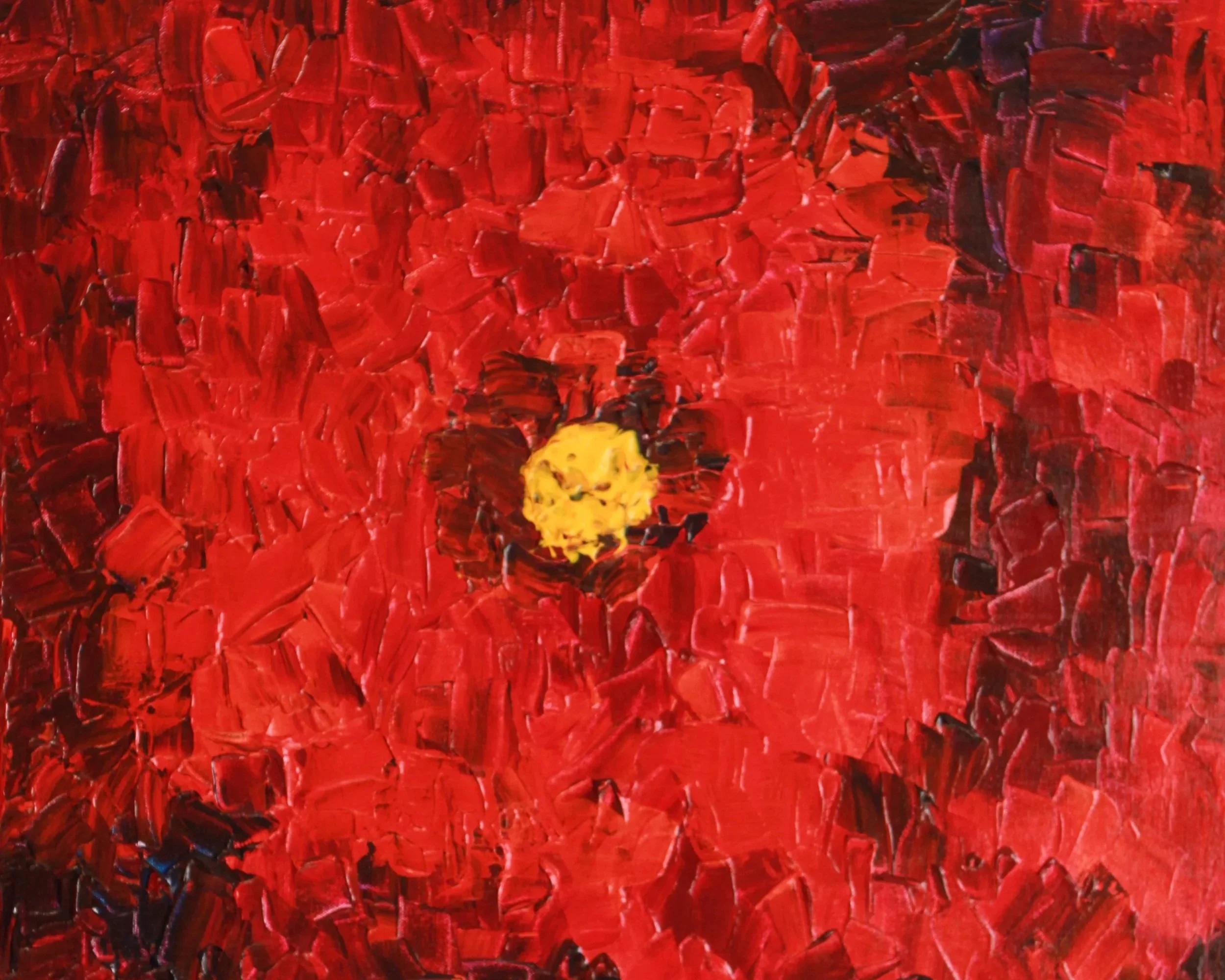
Drawing from architecture, neuroaesthetics, environmental psychology and biophilic design, this work examines how light, materials, nature, beauty, atmosphere and sensory experience influence human experience.
These conditions can affect attention, imagination, restoration, connection and wellbeing—shaping how people experience and participate in the places around them.
THE DESIGN INSIGHT
Beauty is not decoration. It is part of the infrastructure of human experience.
AN EVOLVING DISCIPLINE
Human Capacity Architecture™ continues to develop through executive advisory, research, teaching, interdisciplinary collaboration and design practice.
Each engagement deepens our understanding of the conditions that help people and organizations adapt, create, perform and flourish.
Because every organizational ambition ultimately becomes a human experience.
What is your organization asking people to become capable of?