
C I V I C I M P A C T
C I V I C I M P A C T
Designing Conditions for Human Dignity, Belonging, and Opportunity
At Design Veritas, we believe access to environments that support human wellbeing, stability, and opportunity should not be a luxury.
The conditions surrounding people influence their ability to learn, connect, contribute, and flourish.
Whether in a workplace, school, home, or neighborhood, environment shapes human experience - and human experience shapes outcomes.
Our civic work explores how the principles of Human Capacity Architecture™ can be applied beyond organizations and into communities.
Housing
Housing is more than shelter.
It is the foundation of stability, wellbeing, and opportunity.
Our work explores how residential environments can better support human health, dignity, resilience, and long-term flourishing through thoughtful design, environmental quality, and access to restorative conditions.
Community
Communities are shaped not only by buildings, but by the relationships, experiences, and shared spaces between them.
We are interested in how neighborhoods, public spaces, schools, and civic environments influence belonging, connection, trust, and collective wellbeing.
Education
Learning environments shape human potential.
Our work explores how educational spaces and community institutions can support curiosity, development, creativity, and lifelong growth.
Selected Initiatives
The Sustainable Triple-Decker Initiative
Research exploring how Worcester's historic housing stock can evolve to support sustainability, resilience, affordability, and quality of life while preserving community character.
Main South Community Work
Community-focused initiatives examining the relationship between housing, neighborhood conditions, and long-term wellbeing.
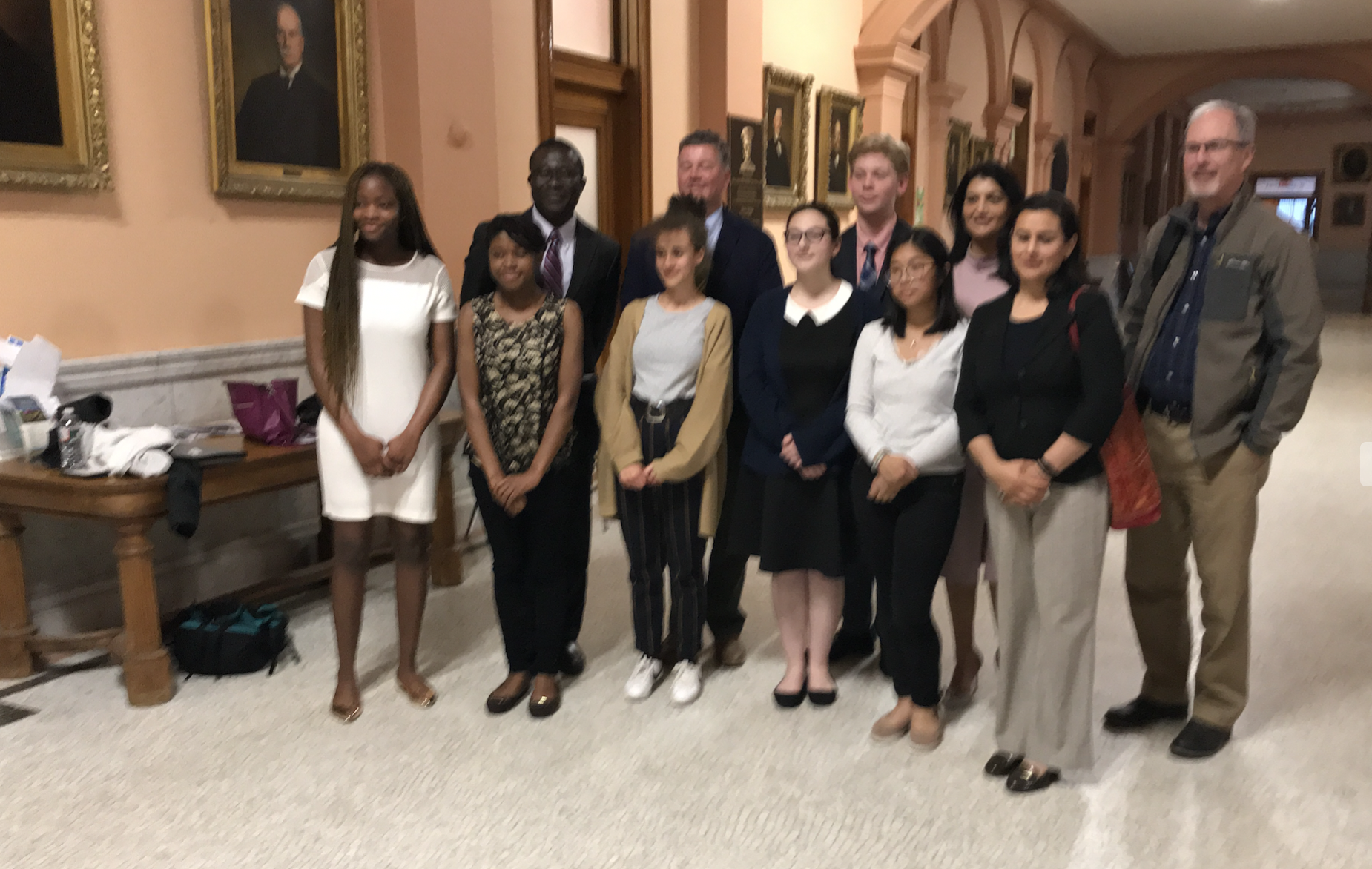
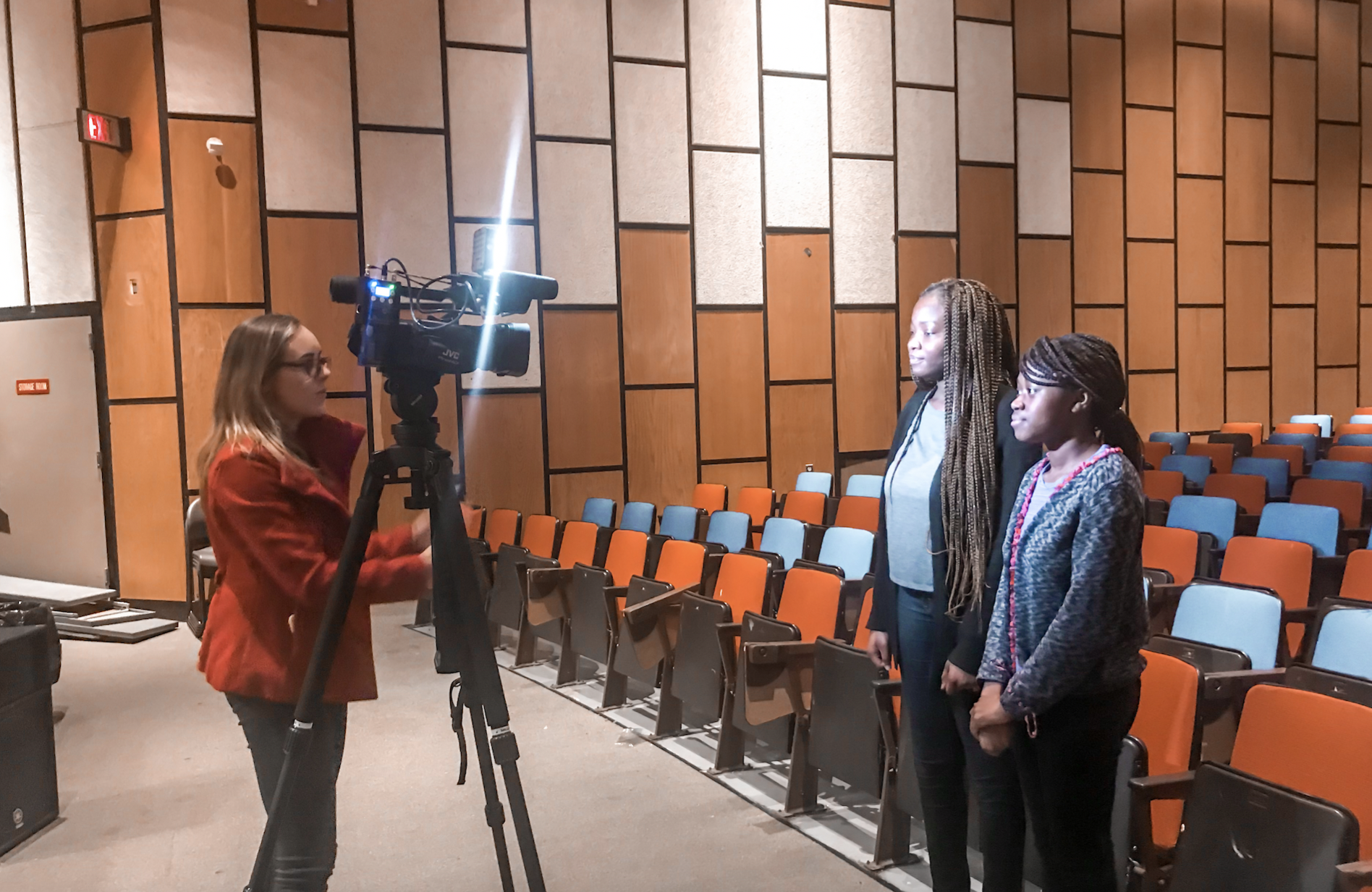
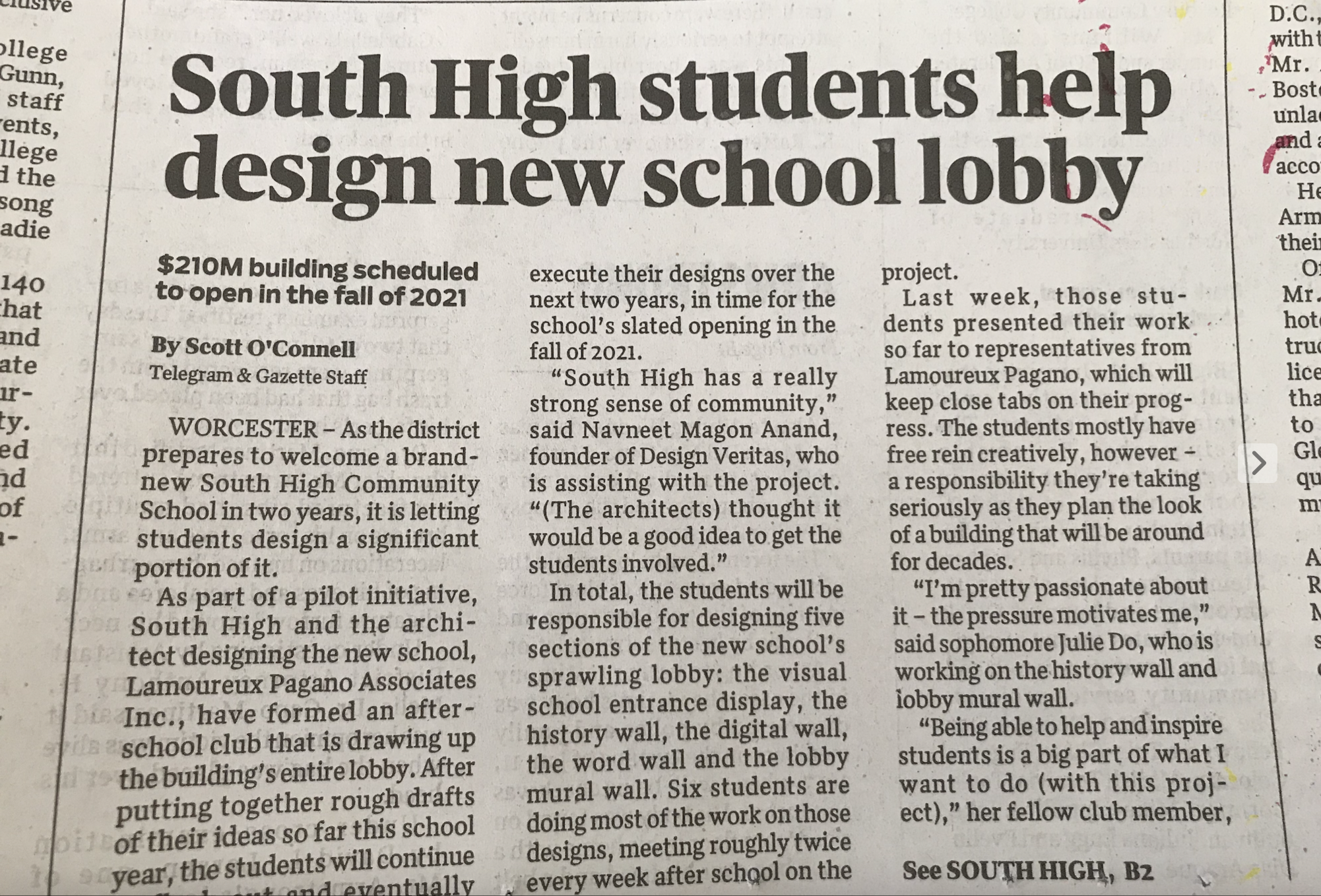
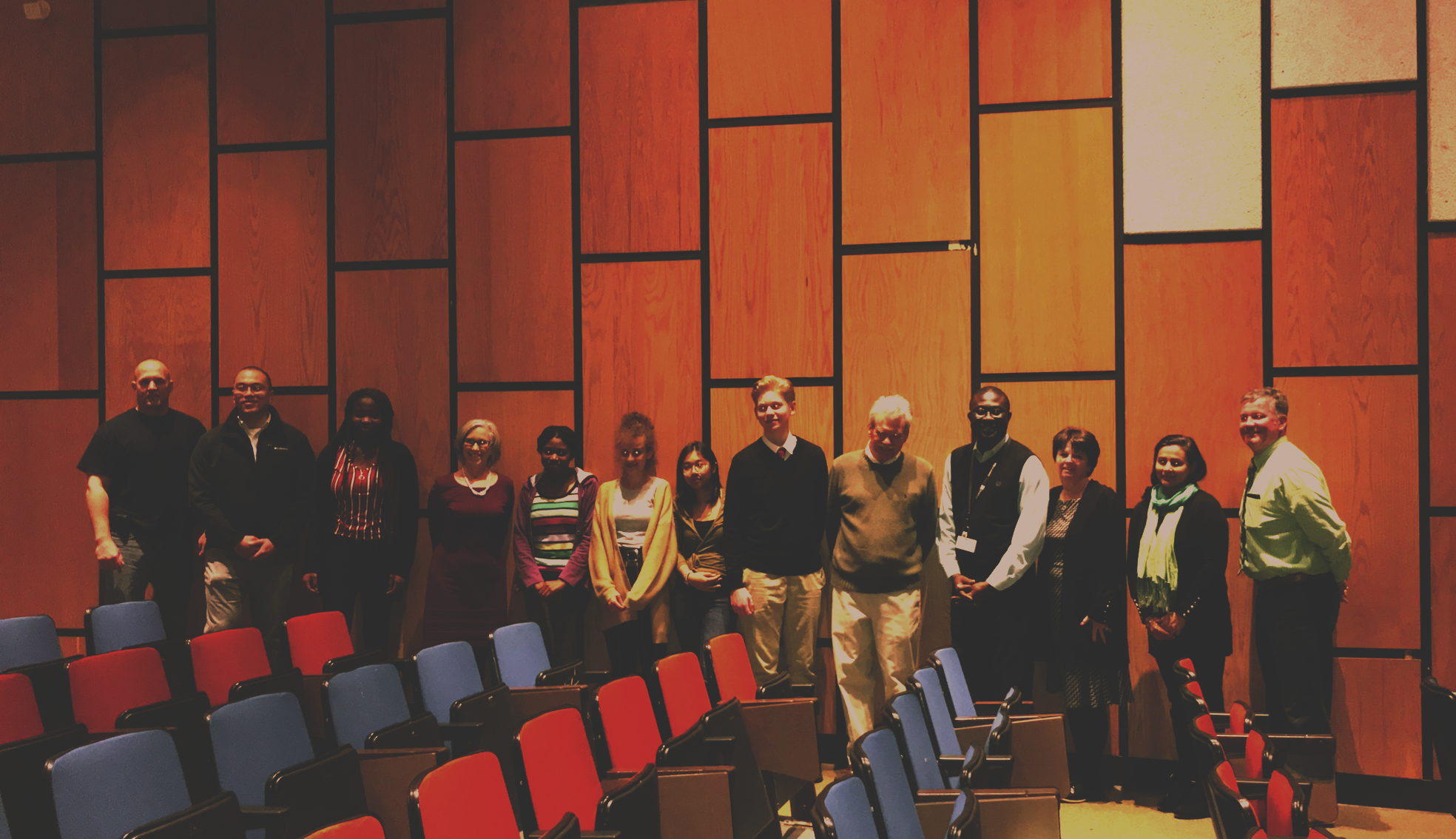
South High Community School, Worcester, MA
Research exploring how educational environments shape belonging, engagement, and human development.
South High Community School, Worcester, MA
Designing for Belonging, Participation, and Community Voice
South High Community School represented an early exploration of a question that continues to shape the work of Design Veritas today:
How can design create the conditions for people to feel seen, valued, and connected to the places they inhabit?
Working alongside students, educators, administrators, civic leaders, and community stakeholders, the project explored how meaningful engagement can move beyond traditional consultation and become an active part of the design process itself.
Through workshops, dialogue, research, and collaborative visioning, the initiative examined the relationship between environment, culture, identity, and community experience within educational settings.
The work was later presented through the Massachusetts School Building Authority (MSBA) Designer Roundtable as Community-Driven Design: Engagement Beyond Visioning and further developed into a proposal for SXSW EDU exploring the future of community-centered educational design.
Many of the questions explored through South High ultimately became foundational to the development of Human Capacity Architecture™ - particularly the belief that environments are not merely physical settings, but conditions that shape belonging, participation, opportunity, and human potential.
Today, the project remains an important milestone in Design Veritas' ongoing work across education, community development, civic engagement, and human experience.
Our Perspective
Most conversations about housing and community development focus on economics, infrastructure, and policy.
These factors matter.
But they are only part of the story.
We believe the quality of human experience should be considered essential infrastructure.
Because every person deserves access to conditions that support dignity, belonging, and the opportunity to thrive.
Looking Forward
As Design Veritas continues to evolve, we remain committed to exploring how Human Capacity Architecture™ can contribute not only to organizations, but also to the communities and environments people call home.
Because human flourishing should not be limited by geography, circumstance, or access.
It should be designed into the places where life happens.