
H U M A N O S™
Designing the conditions that shape human capacity.
H U M A N O S ™
The Operating System for the Human Layer™
Organizations invest heavily in strategy, operations, technology, and growth.
Yet the outcomes they seek ultimately depend on people.
How people think.
How they adapt.
How they connect.
How they innovate.
How they perform.
HumanOS™ is the methodology Design Veritas uses to assess, align, and strengthen the Human Layer™ of organizations.
It translates the principles of Human Capacity Architecture™ into practical action.
T H E M E T H O D O L O G Y
HumanOS™ works through three primary design domains that shape human capacity and organizational performance.
E T H O S
What guides us.
The principles, leadership signals, decision frameworks, and governance structures shaping how people work, make decisions, and create value together.
This includes culture, trust, accountability, leadership behavior, and the guiding principles that help people and technology work effectively together in an age of AI.
E N V I R O N M E N T
What surrounds us.
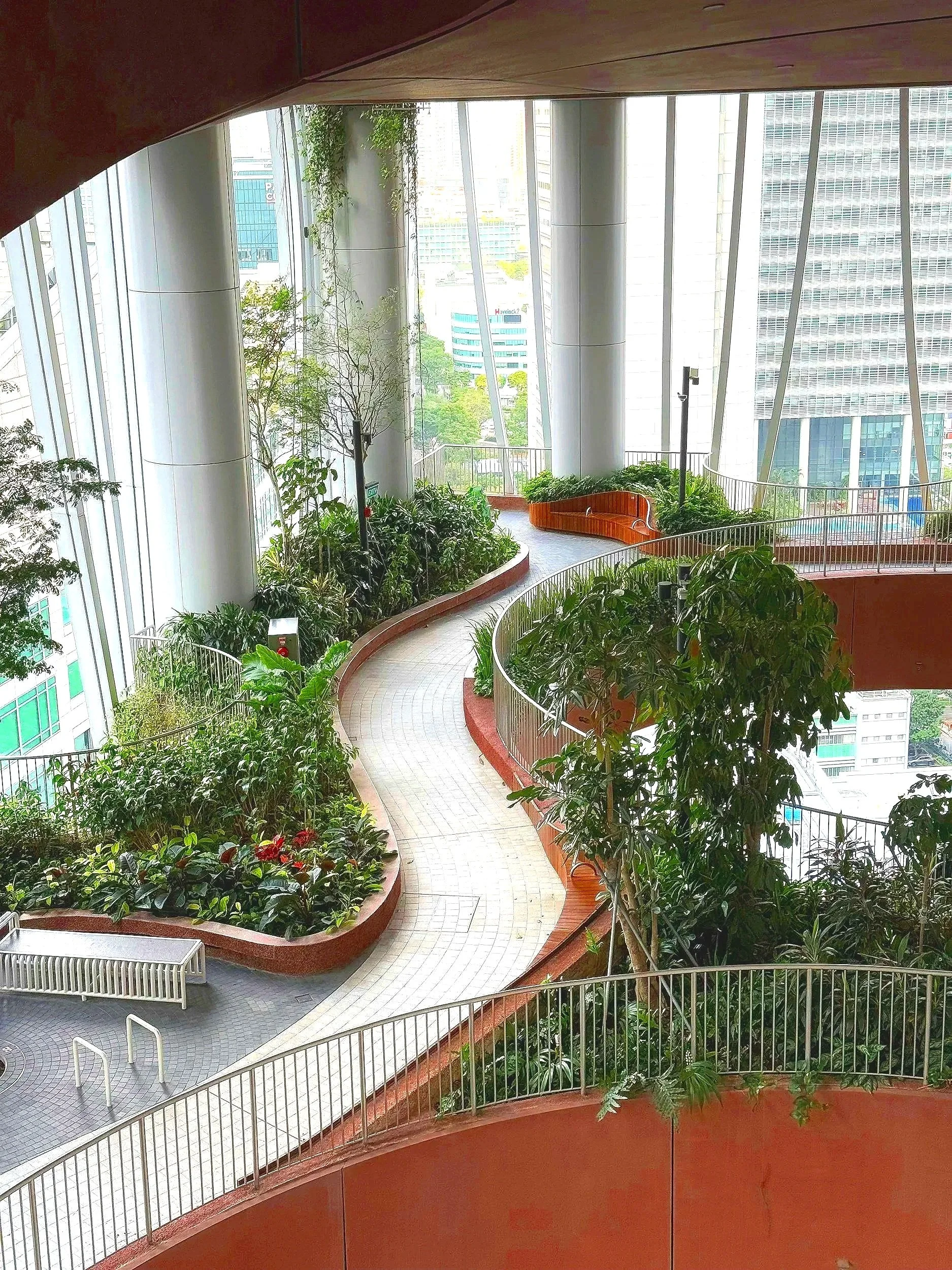
The physical, digital, and sensory conditions influencing attention, energy, focus, wellbeing, and performance.
From workplace environments and digital ecosystems to information flow and environmental signals, these conditions shape how people experience work and perform within it.
E X P E R I E N C E
How life is lived.
The rhythms, interactions, communication patterns, decision processes, and everyday moments shaping how work is actually experienced.
Experience influences trust, engagement, collaboration, adaptability, learning, and innovation across the organization.
Together, these conditions shape human capacity.
How we think.
How we feel.
How we connect.
How we learn.
How we adapt.
How we create.
How we find meaning.
T H E F R A G I L I T Y G A P ™
As technology accelerates, many organizations are increasing system capability faster than human capability.
The result is a growing Fragility Gap™.
More information.
More speed.
More complexity.
Yet diminished attention.
Decision fatigue.
Fragmented focus.
Leadership exhaustion.
Reduced capacity for judgment.
HumanOS™ helps organizations identify and close this gap by strengthening the conditions that support human capacity.
H O W H U M A N O S ™ I S A P P L I E D
AI-Human Alignment Blueprint™
Clarify the ethos, capabilities, and conditions needed to navigate AI-driven change.
Founder Capacity Lab™
Develop the leadership, adaptability, and decision-making capabilities required to lead in uncertainty.
Strategic Advisory
Partner with leaders and organizations to strengthen human capability and navigate accelerating change.
Human Experience Strategy™
Design environments and experiences that support human flourishing, innovation, and performance.
T H E O U T C O M E
When conditions improve, capacity expands.
Clarity increases.
Adaptability strengthens.
Innovation grows.
Performance follows.
Because human outcomes are shaped by the conditions we create.
Ethos shapes Environment.
Environment shapes Experience.
Experience shapes Capacity.
Capacity shapes Impact.