
C A S E S T U D I E S
C A S E S T U D I E S
Exploring Human Capacity Across Organizations, Communities, and Environments
The work of Design Veritas spans leadership, human experience, education, community engagement, and the future of work.
While each engagement is unique, they are united by a common question:
What conditions help people think clearly, adapt effectively, connect meaningfully, and realize their potential?
The following case studies represent key moments in the evolution of Human Capacity Architecture™ and Design Veritas' approach to designing the conditions that shape human capacity.
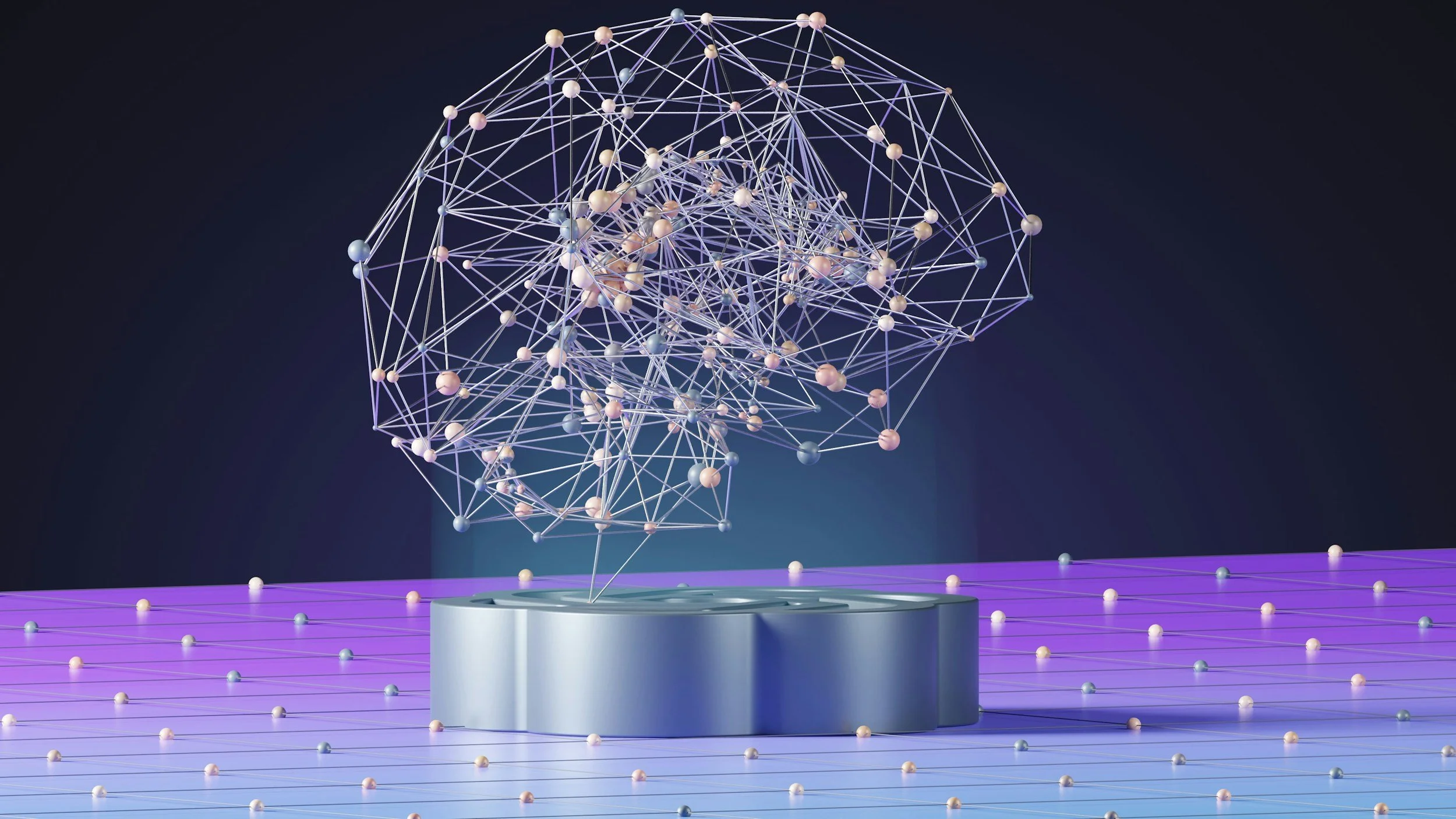
The Missing Layer in AI Transformation
Designing Human Capacity in an Age of Increasing Complexity
As artificial intelligence continues to reshape organizations, most transformation efforts focus on technology, processes, and implementation.
Yet through research conducted with founders, executives, innovators, and leadership teams, a different challenge began to emerge.
The greatest obstacle was not technological.
It was human.
Leaders consistently described increasing pressure, decision fatigue, uncertainty, fragmented attention, and the difficulty of helping people navigate continuous change.
The work revealed that successful transformation depends not only on technical systems, but on the human conditions surrounding them.
This insight led to the continued development of Human OS™ and Design Veritas' focus on the Human Layer™ - the environments, experiences, leadership signals, governance structures, and organizational conditions that shape human capacity.
Today, this work informs advisory engagements, Leadership Architecture™, Human Experience Strategy™, and ongoing research exploring how people can remain adaptive, innovative, and deeply human in an age of accelerating change.
Key Question
What conditions help people remain clear, adaptive, innovative, and deeply human as complexity continues to accelerate?
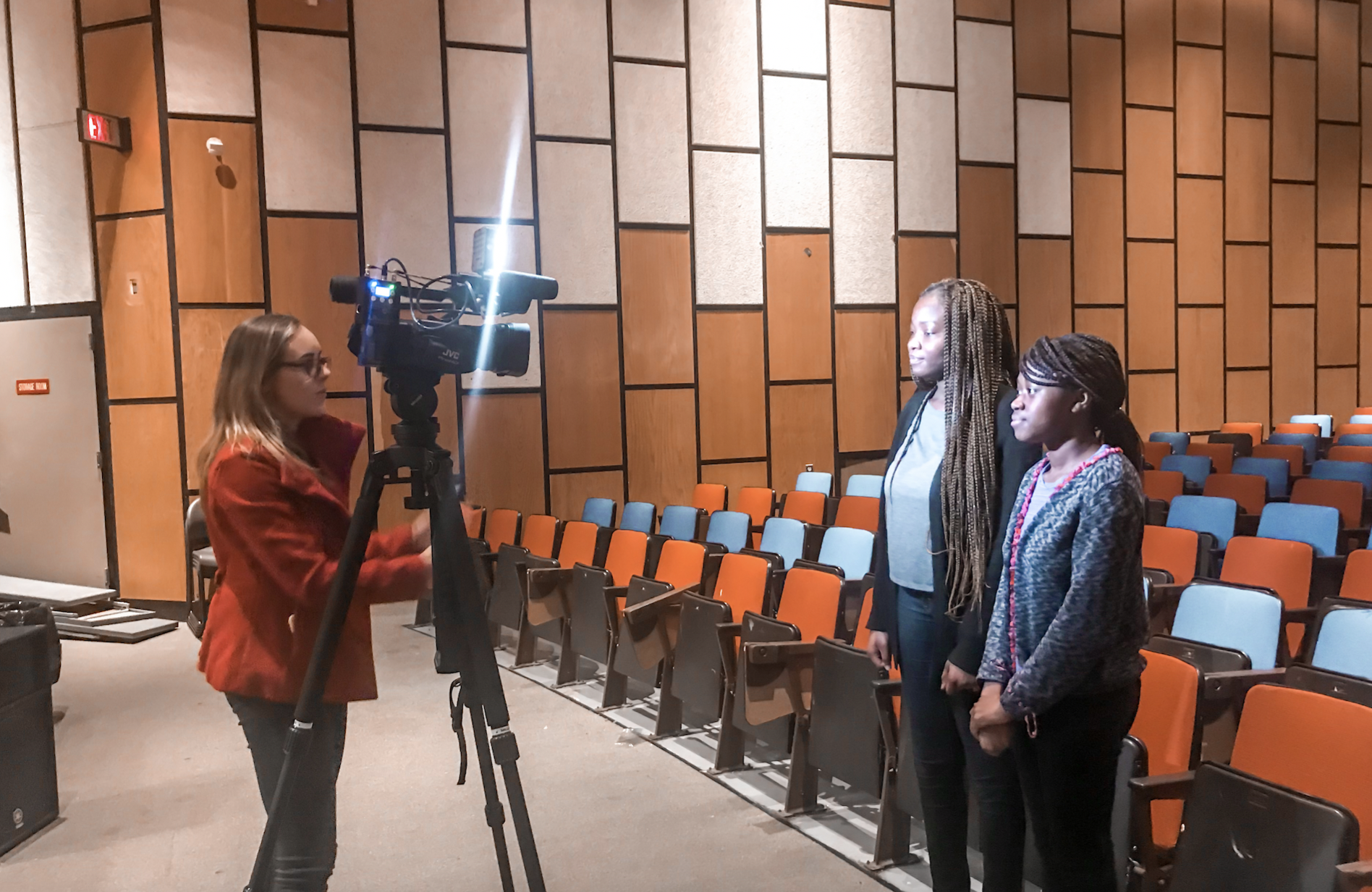
South High Community School
Designing for Belonging, Participation, and Community Voice
South High Community School represented an early exploration of a question that continues to shape the work of Design Veritas today:
How can design create the conditions for people to feel seen, valued, and connected to the places they inhabit?
Working alongside students, educators, administrators, civic leaders, and community stakeholders, the project explored how meaningful engagement can move beyond traditional consultation and become an active part of the design process itself.
Through workshops, dialogue, research, and collaborative visioning, the initiative examined the relationship between environment, culture, identity, and community experience within educational settings.
The work was later presented through the Massachusetts School Building Authority Designer Roundtable and developed into a proposal for SXSW EDU exploring the future of community-centered educational design.
Many of the questions explored through South High ultimately became foundational to the development of Human Capacity Architecture™, particularly the belief that environments are not merely physical settings, but conditions that shape belonging, participation, opportunity, and human potential.
Key Question
How do we create environments that help people feel seen, valued, connected, and empowered?
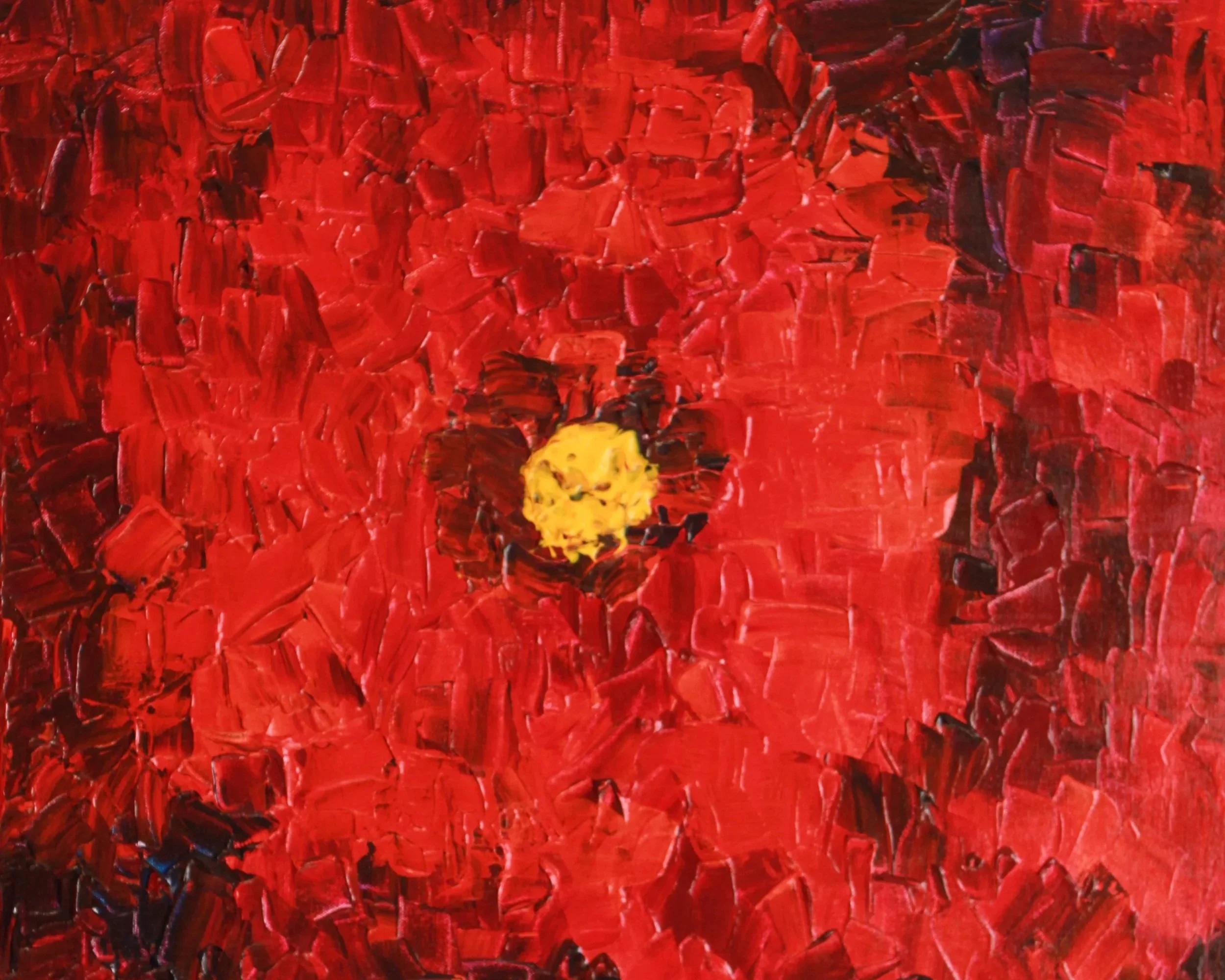
Art · Nature · Beauty
Designing Conditions for Human Flourishing
Throughout history, art, nature, and beauty have shaped how people experience the world.
Yet within many organizations and environments, these elements are often treated as amenities rather than essential conditions.
Drawing from architecture, neuroaesthetics, environmental psychology, biophilic design, and decades of observation, Design Veritas began exploring a simple question:
What role do art, nature, and beauty play in shaping human experience?
This inquiry evolved into the ANB™ framework.
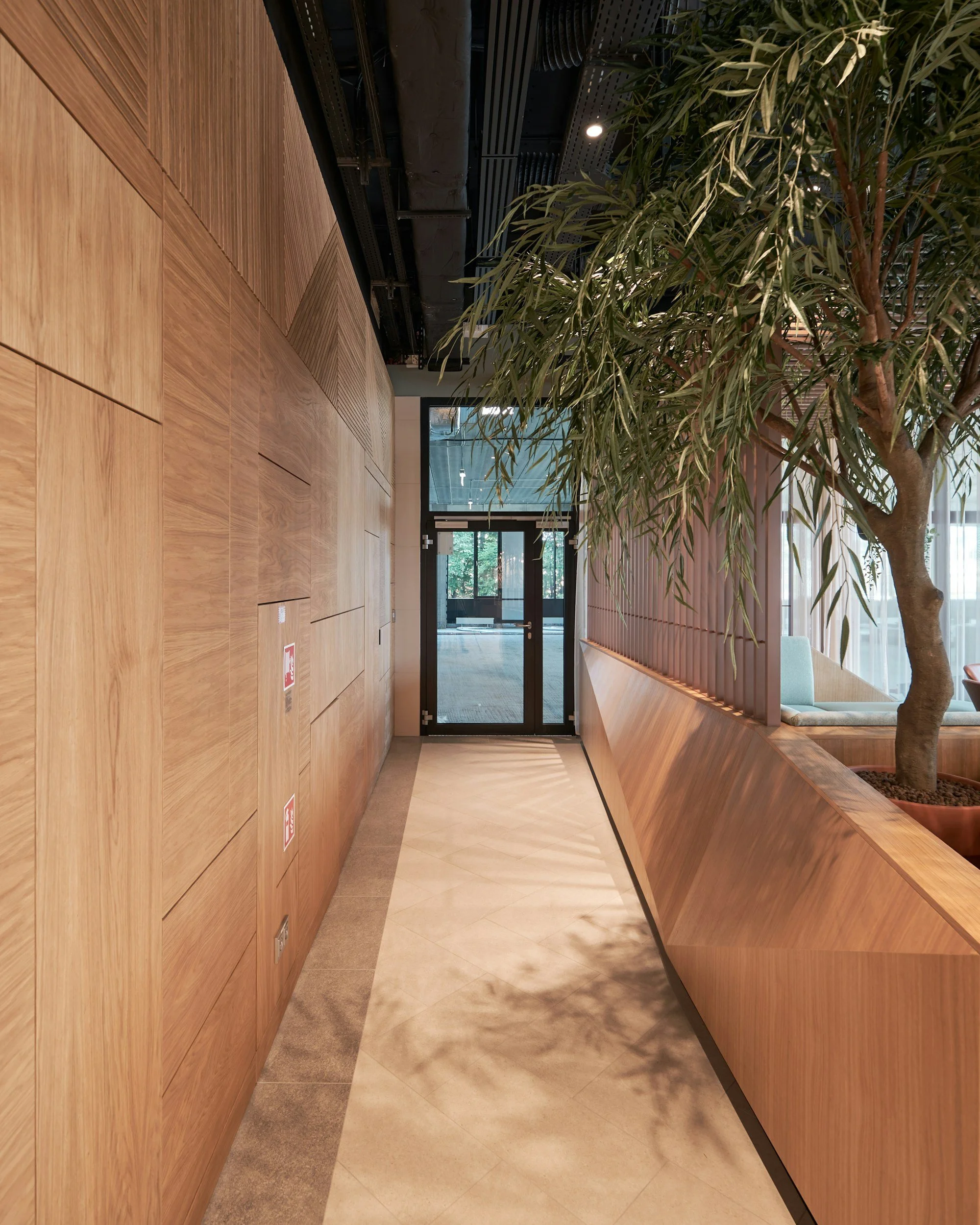
The work explores how light, materials, aesthetics, atmosphere, and sensory experience influence attention, creativity, restoration, connection, and wellbeing.
The insight is simple:
Human beings continuously respond to the environments surrounding them.
Beauty is not merely decorative.
It is part of the infrastructure of human experience.
Today, ANB™ informs Human Experience Strategy™, Human Capacity Architecture™, and the Studio's ongoing exploration of the relationship between environment and human flourishing.
Key Question
What if art, nature, and beauty were recognized as essential conditions for human capacity rather than optional enhancements?